
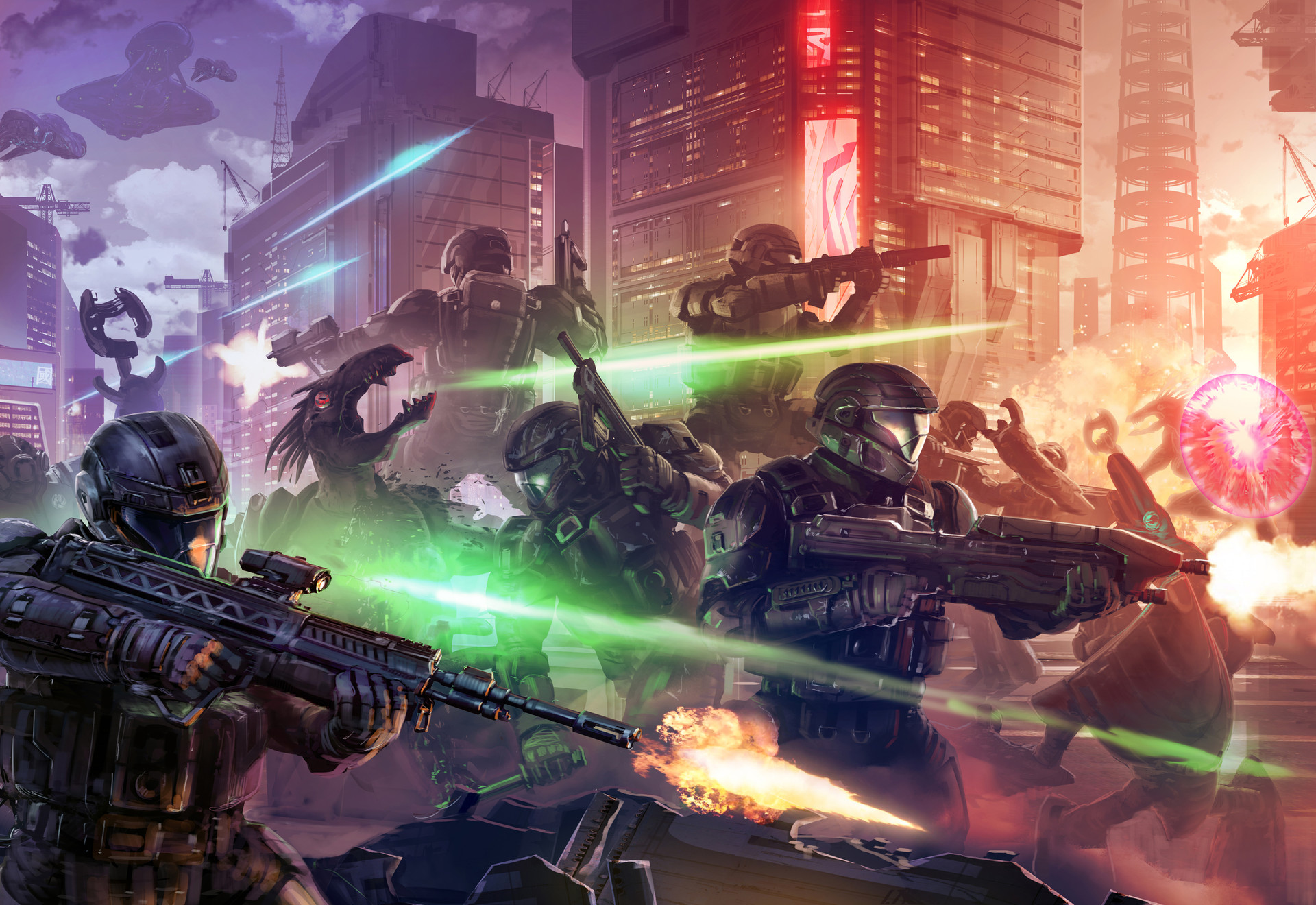
DANGER CLOSE is shaping up to be really, really cool – but I might be biased. I made a list of 10 things I’m really happy with. The rules are available for free on Itch.io, and the Commander’s Toolkit expands upon all of this!
1. Momentum is the real win condition
Combat isn’t about hit points or counting bodies. You win or lose by shifting Momentum: who controls the fight, who’s being pushed back, who’s cracking under pressure. Casualties are a consequence, not the goal.
2. Positioning is abstract, but meaningful
There’s no grid or map required. Each Trooper balances Offensive Position (Limited → Engaged → Flanking) against Defensive Position (Flanked → In Cover → Fortified). Every choice trades safety for impact.
3. Every Exchange is a risk calculation
You’re constantly deciding: do I move up and risk exposure, or dig in and hope someone else pushes Momentum? The system makes hesitation and overconfidence equally dangerous.
4. Missions zoom smoothly between scales
The game flows from Mission → Sector → Engagement → Exchange without changing systems. You can zoom out to campaign-level consequences or zoom in to a single grenade landing at someone’s feet.
5. Troopers feel fragile without being disposable
Characters don’t have big stat blocks. They have Status, Ammo, Grit, and Gear. That’s enough to make every injury matter, without turning them into superheroes (or nameless fodder).
6. Advancing is as dangerous as fighting
Movement between Sectors is mechanically risky. Fatigue, armor choices, weather, and injuries all stack up. Sometimes the worst decision isn’t taking a fight – it’s pushing forward at all.
7. Enemies actively respond to your tactics
When the opposition is serious, they don’t just trade fire. They flank, push forward, scatter your formation, or force you to move. You can see it coming, but you still have to deal with it.
8. Hard Targets change the entire fight
Tanks, walkers, gun nests, and snipers add difficulty and demand commitment. Ignoring them gets people killed. Focusing on them leaves you exposed elsewhere.
9. Gear is tactical, not ornamental
Weapons and equipment change how you play. Heavy gear slows advances. Rocket launchers solve problems loudly and briefly. Radios and drones shape missions before shots are fired.
10. The game doesn’t tell you how to roleplay
There are no dialogue mechanics, stress meters, or personality stats. The system gives you pressure, loss, survival, and aftermath, and trusts you to let the fiction emerge naturally from play. The Commander’s Toolkit contains numerous tables and inspirational sources for roleplay, however!


Leave a Reply