

The reaction table: one of the core elements of OSR gameplay, besides encounter tables and morale checks (and probably a few more, but this is what springs to mind).
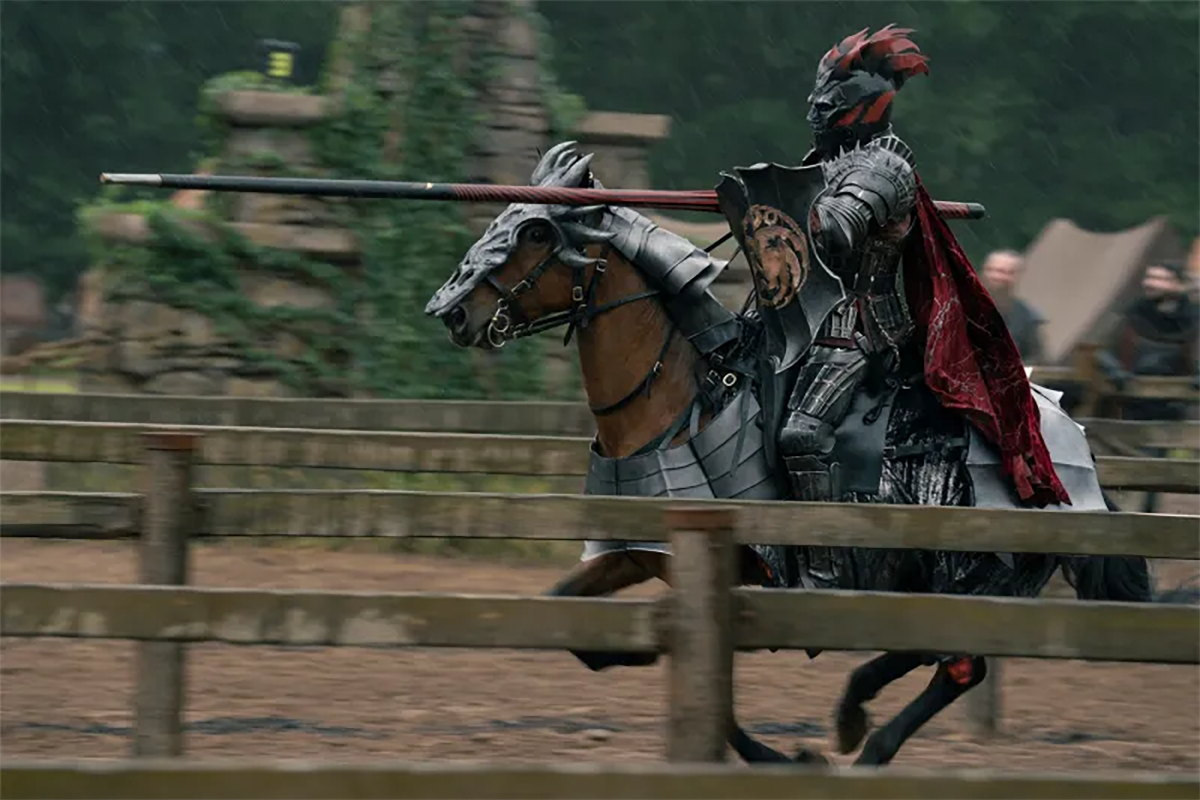
Image: Shadow Whispers by Rene Gross
To take the Old School Essentials/BX one as a reference:
| 2d6 | Reaction |
|---|---|
| 2 or less | Attacks |
| 3-5 | Hostile, may attack |
| 6-8 | Uncertain, confused |
| 9-11 | Indifferent, may negotiate |
| 12 or more | Eager, friendly |
But here’s a confession; I’m not always a fan of the results. Encountering 2d6 goblins in the Tunnels of Abandoned Hope and then rolling Eager, friendy is fun, but also feels… disjointed? I know that that’s the point, but yeah, not a fan, sue me.
Therefore, I’m suggesting: the two-tiered roll.
Initial Disposition
The first step is the initial disposition of the encounter. Within the logical context of the scene and NPC motivations, what would their reaction be?
- On the battlefield, enemy soldiers will Attack right away.
- Security guards spotting an intruder will be Hostile; they might not attack on sight, but definitely lean towards violence if an intruder is spotted.
- Strangers encountered along the road in the wilderness will be Uncertain about the motivation of other travelers.
- Guards patrolling the Duke’s lands on the lookout for monsters but spotting a group of adventurers instead would be Indifferent (may negotiate).
- Meeting members of a faction the players have previously helped in a tavern are likely to be Eager, friendly.
This is what the NPCs would feel before the players do anything – they were always going to feel this way upon encountering the party.
The Reaction Roll
Now, we modify the initial disposition.
The party suggests factors why they might be received favorably; recent favors done, how they aim to come across, disguises, Charisma bonuses etc. I imagine that the party has essentially one line of dialogue of “time” to influence the other party.
The DM checks for factors that might cause the party to be interpreted unfavorably; weapons drawn, general appearance etc.
- If beneficial elements definitely outweigh the bad, the reaction roll gains a +1.
- If it evens out, no modifier is added.
- If the party comes across unfavorably, the reaction roll has a -1.
This modifier could go beyond -1/+1 to -2/+2, making the method way swingier but having more effect of player input.
Now, the roll is made. Take 2 d6 that are distinct from each other, or read out the results from left to right. Roll both, and subtract the results of one from the other, rolling 1d6-1d6 (+modifier). This gives the following range:

Go back to the original reaction table, and modify the original outcome with the reaction roll.
| Initial Disposition | Range without modifier |
|---|---|
| Attack (2) | Likely to remain hostile, small chance to become Uncertain, confused. |
| Hostile (4) | Very small chance to reach Indifferent. |
| Uncertain (7) | Can range from Attacks to Eager. |
| Indifferent (10) | Very small chance to reach Hostile. |
| Eager (12) | Likely to remain friendly, very small chance to become Attacks. |
In Summary
- At the start of an encounter, the DM decides a logical initial disposition.
- The encounter and NPC(s) are revealed; the players describe how they come across/what they do in the first initial moments.
- The DM assigns a modifier and rolls a reaction roll of 1d6-1d6.
- The initial disposition and reaction roll are combined into a final result.
- The encounter takes place as usual.
Taking It Further
I came across No-Prep Social Encounters by Nick LS Whelan recently and it stuck with me, and I think its core principles can be applied/modified here.
If the reaction roll doesn’t lead to combat, you can essentially keep rolling to reflect persuasion attempts: Following the reaction roll, players can make their point, and as Nick states, that tends to be in the form of a question:
Like most of what players say in the game, their interactions with a social encounter can usually be rephrased as “Can I…?” questions. When they say “My blood tastes terrible, you don’t want it,” what they mean is “Can I convince the vampire they don’t like my blood?” Such questions can be answered with either Yes, No, or Maybe.
So, the players climb over the wall of the estate of Duke Nobleton. A guard passes on his patrol and spots the players. His initial disposition is likely to be Hostile; the outer perimeter is off-limits for everyone but guards and the Duke. The players are planning to sneak into Duke Nobleton’s party, and are thus dressed as party guests.
Magnus, the charismatic rogue of the group, states his intent of asking the guard where the bathrooms are. The DM grants them a +1 modifier, and rolls 1d6-1d6. They roll a 4 and a 2, so that’s 4-2+1=3. Hostile has an initial disposition of 4, +3, looking at the OSE Reaction Table: a 7 means the guard is Uncertain or Confused. He mumbles something about “How did you end up here…” and seems to be in doubt as what to do.
The DM turns to the players; “He’s uncertain, he might call for his superior to figure out what to do. What do you do?”
Magnus’ player: “I’d like to convince him that me and my friends are harmless and tipsy, so that he might guide us back to the party”. The Yes, No, Maybe question here is “Can I convince the guard to take us back to the party by pretending to be harmless and tipsy?”.
“Yes” would be a bit easy, “No” a bit harsh, so “Maybe” it is. The DM likes the scheme, and has the party roll another 1d6-1d6+1. Let’s also take a note from the blogpost: 9 is a good target (and the disposition is currently at 7).
To prevent an eternal back-and-forth, it’s good to indicate a clear risk; if the guard remains confused for too long (say, 3 interactions), he’ll go get his superiors.


Leave a Reply